The Ugly Truth About Electric Vehicles
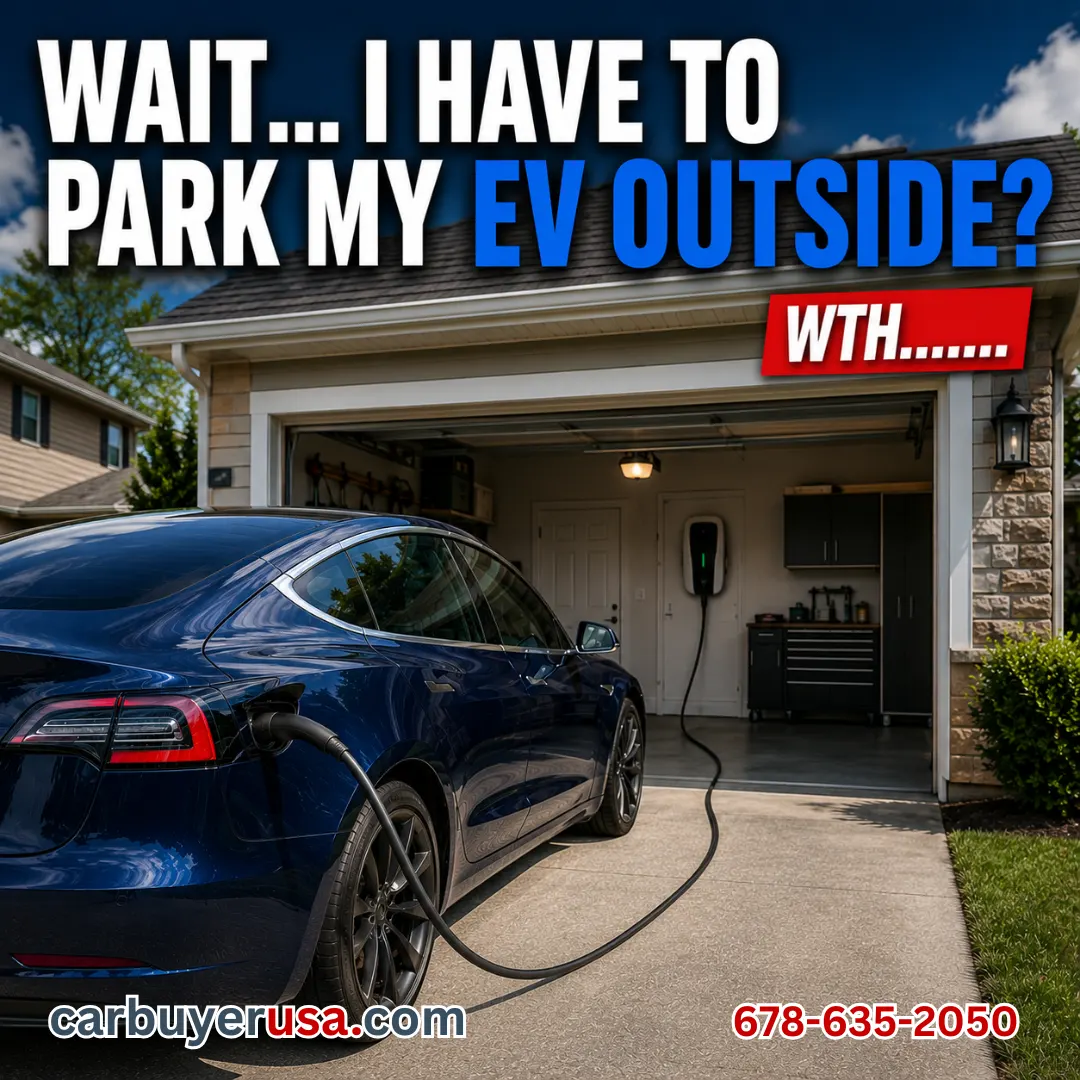
Most consumers purchase an electric vehicle expecting a simpler ownership experience. The promise is appealing: fewer moving parts, reduced maintenance, freedom from gas stations, and a vehicle packed with cutting-edge technology. What most buyers do not expect is discovering that some vehicles have been subject to recall notices advising owners to park outside and away from structures until repairs are completed.
That reality has created an uncomfortable conversation throughout the automotive industry. Recent recall data has shown that millions of vehicles on American roads have been affected by some form of "park outside" warning. While many people immediately assume these concerns involve only electric vehicles, the truth is more complicated. Some affected vehicles are fully electric, some are hybrids, and others are traditional gasoline-powered vehicles. The common thread is not the fuel source itself. The common thread is that modern vehicles have become incredibly complex machines filled with advanced electronics, sophisticated software, high-voltage systems, and expensive components.
For EV owners, battery systems naturally receive the most attention because they represent both the vehicle's greatest advantage and one of its largest financial risks. A healthy battery delivers excellent performance, impressive acceleration, and lower operating costs. However, when battery-related issues occur, repairs can become expensive very quickly. Unlike a damaged bumper or worn brake pads, battery problems often require specialized diagnostics, trained technicians, and costly replacement components. _____________________________________________________________
Modern Vehicle Ownership Concerns
Concern |
Potential Impact |
|---|---|
Battery Damage |
Expensive repairs and inspections |
Electrical System Failures |
Costly diagnostics and downtime |
Software Recalls |
Dealer visits and updates |
Warranty Expiration |
Increased ownership costs |
Technology Changes |
Increased ownership costs |
Fire-Related Recalls |
Temporary parking restrictions |
The automotive industry has changed dramatically during the past decade. Vehicle ownership used to revolve around engines, transmissions, brakes, and suspension systems. Today, vehicles contain advanced battery management systems, dozens of computer modules, cameras, sensors, radar units, and software that controls everything from charging functions to safety features. While these innovations have improved convenience and performance, they have also introduced new ownership challenges that many consumers never considered when purchasing their vehicle.
This is where some EV owners experience sticker shock for the second time. The first occurs when they buy the vehicle. The second happens when they begin researching long-term repair costs, battery replacement expenses, depreciation trends, and warranty limitations. Manufacturers understandably focus their marketing on the benefits of electric vehicles, but the ownership experience extends far beyond the showroom. Batteries age, technology evolves, and repair costs can increase as vehicles move beyond their warranty periods.
None of this means electric vehicles are bad investments or poor vehicles. Millions of owners are perfectly happy with their EVs and would gladly purchase another one. The point is that every vehicle category comes with tradeoffs. Gasoline vehicles have maintenance costs. Diesel trucks have emissions- system expenses. Hybrids combine elements of both worlds. Electric vehicles offer tremendous advantages, but they also introduce considerations that many buyers fail to fully evaluate before making a major financial commitment.
The ugly truth about electric vehicles is not that they are unsafe. The ugly truth is that many consumers hear only the advantages before signing the paperwork. They hear about charging at home, avoiding fuel costs, and impressive performance. They hear far less about depreciation, battery longevity, warranty expiration, and the growing complexity of modern vehicle ownership.
For some owners, that realization eventually leads to an important question: does this vehicle still make financial sense? If you're beginning to ask that question, CarBuyerUSA can help. Whether you're driving a Tesla, Rivian, Lucid, Ford Lightning, Mustang Mach-E, Hyundai Ioniq 5, Kia EV6, Chevrolet Equinox EV, or another electric vehicle, finding out what it may be worth takes about 20 seconds.
Sometimes the smartest automotive decision isn't figuring out where your vehicle should be parked. It's determining whether now is the right time to convert that EV into cash before the next repair bill, recall notice, or depreciation curve makes the decision for you, and the fast, safest and easiest way to sell is through CarBuyerUSA.com!